Made to Teach
A Design Review for Small Business Merchandise and Branding
As an experienced embroidery designer, I've had the opportunity to review countless machine embroidery designs. Today, I'm evaluating Made to Teach, a design that promises charm and versatility for small business use. With its playful yet professional aesthetic, this design is well-suited for branding and merchandising across multiple platforms.
First Impression: Friendly and Approachable
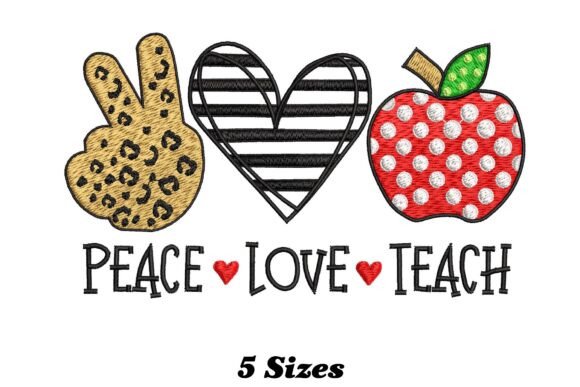
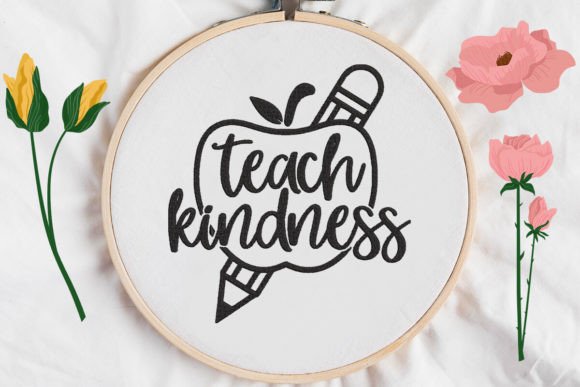
The first thing that caught my eye about Made to Teach was its inviting visual style. It feels like something you'd find in a classroom or a creative studio—friendly, approachable, and just the right amount of quirky. The title itself suggests a focus on education, which aligns with its School category, making it ideal for educational institutions, tutoring services, or craft-oriented businesses looking to reinforce their brand identity through embroidered assets.
Real-World Business Use Cases
Made to Teach has a wide range of applications for small businesses. From embroidered patches to custom apparel, this design can elevate your brand presence. Here are some practical use cases:
- Embroidered Patches: Perfect for adding a unique touch to aprons, caps, and tote bags.
- Staff Uniforms: A great way to personalize workwear while reinforcing brand identity.
- Apron Embroidery: Adds a decorative yet functional element to kitchen or craft aprons.
- Cap Embroidery: Ideal for branding headwear used in cafes, boutiques, or event setups.
- Tote Bag Design: Offers a subtle yet effective branding solution for promotional items.
- Product Packaging Accents: Can be used as a small logo or tag on product labels and packaging.
- Etsy Branding: A versatile design that works well for online stores looking to stand out.
- Commercial Embroidery Projects: Suitable for bulk orders and repeatable use across multiple products.
Whether you're running a boutique, a café, or a handmade shop, Made to Teach offers flexibility and visual appeal that can enhance your brand’s presence without overwhelming the design.
Considerations for Careful Application
While Made to Teach is a versatile design, there are certain areas where it should be used with caution:
- Small Patch Sizes: Due to its intricate details, it may not translate well to very small embroidery patches.
- Cap Fronts: The curved surface of caps can cause distortion, so test the design before finalizing.
- Tiny Lettering: Ensure the design's text elements are legible at smaller sizes.
- High Stitch Density: Be mindful of stitch density when using on delicate fabrics.
- Textured Fabric : The design may not perform optimally on highly textured surfaces.
- Dark Uniforms: Consider thread color contrast to ensure visibility on darker garments.
- Frequent Washing: Designs with detailed outlines may fade or wear over time with regular use.
Before production, it's always wise to test the design on a sample fabric to assess its performance under real-world conditions.
Impact on Brand Identity and Customer Trust
Using Made to Teach in your branding efforts can significantly impact how your business is perceived. Its friendly and approachable nature helps build customer trust and recognition. When customers see your brand consistently represented through embroidered patches, caps, and aprons, they begin to associate your business with quality and care.
Additionally, Made to Teach contributes to a cohesive brand identity by maintaining visual consistency across all merchandise. This consistency reinforces professionalism and enhances buyer engagement, especially in competitive markets like Etsy or local craft fairs.
Practical Designer Notes
As an embroidery designer, I recommend the following steps before using Made to Teach in production:
- Test in Black and White: Assess the design's structure and clarity without color interference.
- Check Patch Size Compatibility: Ensure the design works well at smaller scales, especially for patches.
- Review Thread Color Contrast: Choose thread colors that provide maximum visibility on the intended fabric.
- Inspect Spacing: Confirm that the design doesn't overcrowd the embroidery area.
- Confirm Hoop Size: Make sure the design fits within your embroidery hoop without distortion.
- Test on Real Fabric: Always conduct a trial run on the actual fabric type you plan to use.
- Use Proper Stabilizer: Select the right stabilizer to support the design and prevent puckering.
- Create a Mockup: Provide a printable mockup to clients for approval before mass production.
- Compare Design Assets: Ensure Made to Teach aligns with your overall brand visuals.
- Confirm Commercial Licensing: Verify that the design is suitable for commercial use before placing an order.
These steps will help you achieve the best results and ensure that your finished product meets both your expectations and your customers’ needs.
Conclusion
Made to Teach is a valuable addition to any small business looking to enhance their brand through embroidery. Its friendly and professional aesthetic makes it suitable for a wide range of applications, from branded patches to custom apparel. By considering its strengths and limitations, and following best practices for embroidery design, you can confidently incorporate Made to Teach into your merchandising strategy and elevate your brand’s visual identity.