Typo Font Review for Personalized Gifts
A Designer’s First Impression
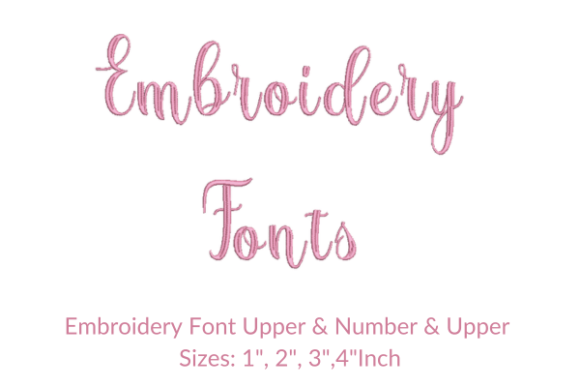
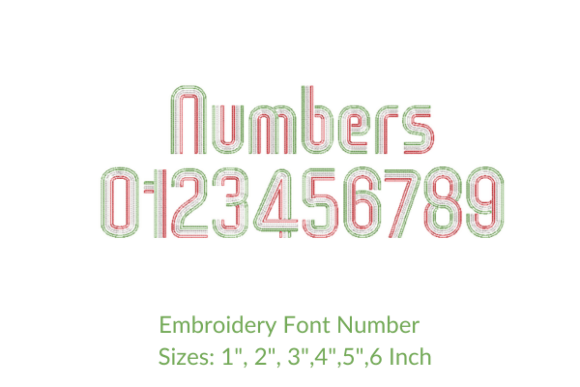
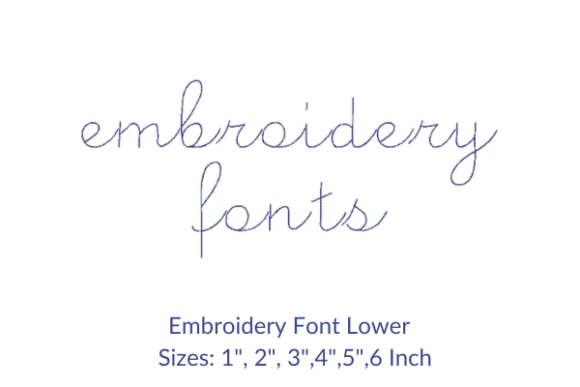
As an experienced embroidery designer, I always start by assessing the mood and charm of a new font. Typo Font immediately caught my eye with its warm, handcrafted feel. It has a gentle, almost nostalgic quality that suggests it's perfect for personal touches. The detail level is impressive—each letter feels intentional, with subtle curves and flourishes that add character without overwhelming the design.
The emotional appeal of Typo Font is strong. It feels sweet and thoughtful, making it ideal for gifts that carry sentimental value. Whether it's a name, a date, or a heartfelt quote, this font adds a layer of personality to any fabric. It doesn’t shout; it whispers, which makes it especially appealing for handmade products that want to feel intimate and unique.
Perfect for Personalized Gift Creations
Typo Font is versatile enough to work across a wide range of personalized gift items. For baby embroidery, it adds a touch of elegance to nursery items like pillow covers, blankets, and aprons. Its soft lines are especially well-suited for delicate fabrics, creating a gentle yet meaningful look that parents will love.
For wedding gifts, Typo Font brings a romantic and timeless vibe. It can be used on custom tote bags, embroidered towels, and even as part of a keepsake quilt. The font’s charm pairs beautifully with floral motifs or minimalist designs, making it a great choice for couples who want something both personal and stylish.
Family keepsakes and personalized towels also benefit from Typo Font’s understated elegance. Whether it’s a family name stitched onto a kitchen towel or a special message on a blanket, this font enhances the sentimentality of the piece without overpowering it. It’s a font that feels like it belongs in a handmade product, not just a mass-produced one.
Where to Use Typo Font Carefully
While Typo Font is a beautiful choice, there are a few situations where it might need extra attention. Small lettering can sometimes be tricky, especially on thick or textured fabrics. If you're working with a fabric that has a lot of texture, like a knitted sweater or a thick towel, you may need to adjust your stitch density or use a stabilizer to ensure the letters remain clear and legible.
Dark fabrics can also pose a challenge. Because Typo Font is often designed with a softer, more muted palette, it may not stand out as much on dark backgrounds. To avoid this, test your design on a printable mockup or a scrap piece of fabric before committing to a finished product. You can also experiment with thread colors to enhance contrast and visibility.
Products that require frequent washing, such as aprons or dishcloths, should be considered carefully. While Typo Font holds up well in general, repeated washing can cause some wear over time. Using a high-quality stabilizer and ensuring proper hoop size can help preserve the design’s integrity.
Boosting Giftability and Perceived Value
When it comes to giftability, Typo Font is a game-changer. It adds a level of craftsmanship that elevates a simple product into something truly special. Customers who receive a personalized item with Typo Font often feel a deeper emotional connection, which can lead to higher satisfaction and repeat business.
From a commercial standpoint, this font enhances perceived value. It signals that the product is thoughtfully made and tailored to the customer’s needs. Etsy sellers and small shop owners will find that Typo Font helps differentiate their products in a crowded market. It’s a font that speaks to the heart of handmade quality and personalization.
Additionally, the visual appeal of Typo Font makes it easier to create compelling product photography. Whether it’s a baby blanket or a wedding keepsake, the font adds a finishing touch that makes the product more attractive to potential buyers. This can lead to increased engagement and better conversion rates.
Practical Embroidery Tips
Before using Typo Font on a real customer order, I recommend testing it on scrap fabric. This allows you to see how the design looks in different lighting conditions and on various fabric types. Checking thread color contrast is also essential—choose colors that complement the fabric while ensuring the text remains readable.
Confirming the hoop size is another important step. Some fonts may require a larger hoop to maintain clarity, especially if they have intricate details. Reviewing stitch density is equally crucial. A higher stitch count can improve the sharpness of the design, but it may also affect the overall weight and durability of the finished product.
Using the right stabilizer is key to achieving a clean, professional finish. Depending on the fabric type, you may need a tear-away or water-soluble stabilizer to prevent puckering or distortion. Always compare light and dark fabric mockups to ensure consistency in the final product.
After stitching, take the time to check small details. Sometimes, minor issues like uneven spacing or missing stitches can go unnoticed until the product is complete. Finally, confirm commercial licensing before selling finished products to avoid any legal complications.
Final Thoughts on Typo Font
Typo Font is a fantastic addition to any embroidery designer’s toolkit. Its charm, versatility, and emotional appeal make it perfect for a wide range of personalized gift products. Whether you’re crafting for babies, weddings, or everyday essentials, this font adds a touch of warmth and individuality that resonates with customers.
With careful planning and attention to detail, Typo Font can elevate your handmade products and help you stand out in the competitive world of custom embroidery. It’s a font that feels like it was made for personalization, and I highly recommend it for anyone looking to create meaningful, handmade gifts that leave a lasting impression.